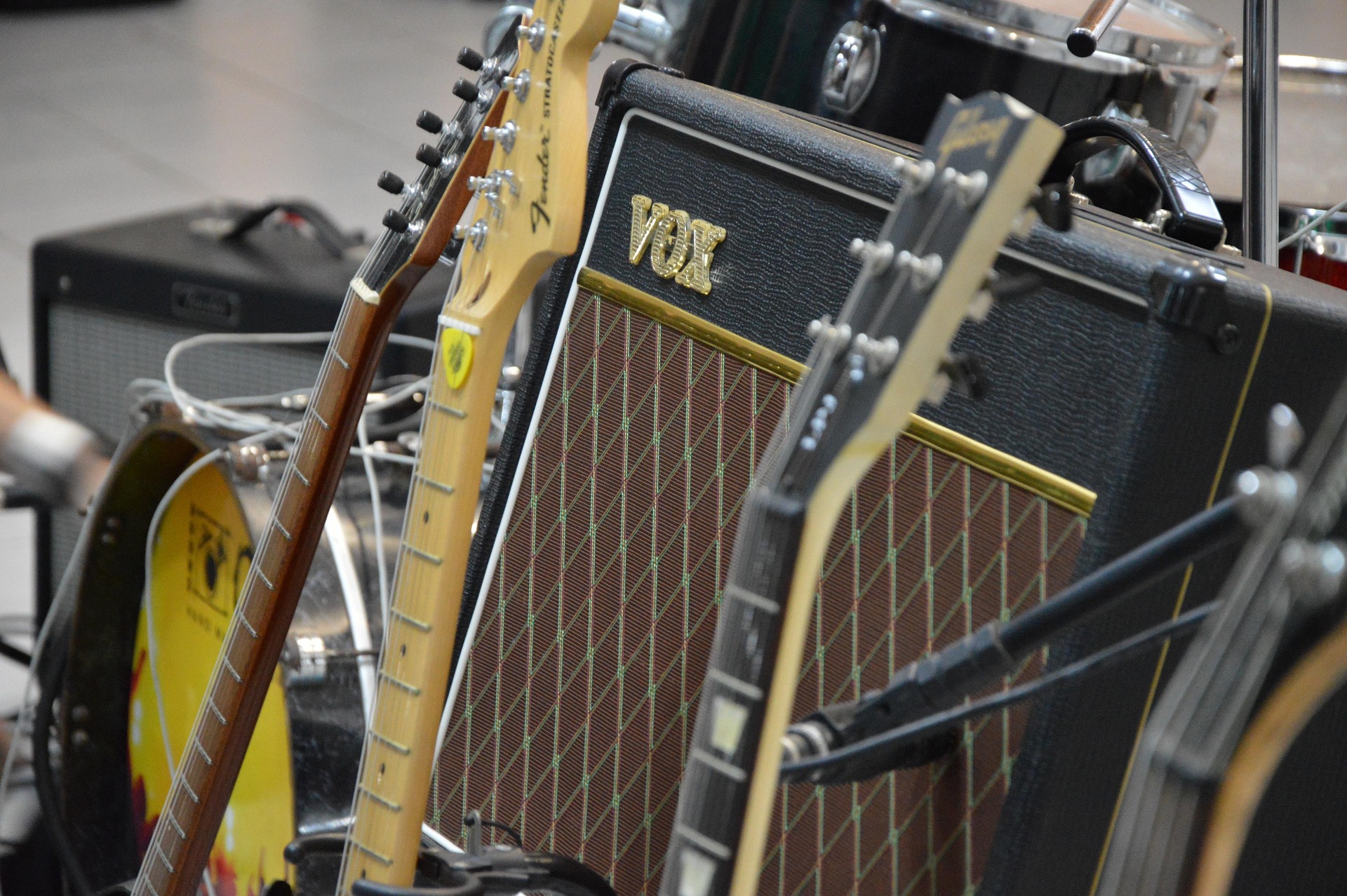
Vintage tube amps remain one of the most actively traded categories on Reverb and eBay, even as modelers take more of the new-gear conversation. Original 1960s circuits with documented transformers and speakers continue to draw collector and player money. Later Silverface Fenders, 1970s Marshalls, and reissues sit in a different lane where supply is higher and prices have stayed more stable. Checking recent sold price research on SearchMusicGear before you bid or list keeps the numbers grounded in actual transactions rather than hopeful asking prices.
The broader vintage guitar market has shown 8–12% year-over-year gains in 2026, and the best original amps have followed a similar path because remaining clean examples keep getting scarcer. At the same time, working players who just want the tone without the museum-piece premium still find value if they look past the headline models. Deal Desk on SearchMusicGear pulls fresh Reverb and eBay listings against those sold comps so you can see the gap in one view.
Original 1960s Marshall and Fender pieces with original iron, speakers, and cosmetics are the ones moving fastest and commanding the strongest money as usual. The market will neever change for these classic brands. Condition and originality matter more than ever; a recapped or speaker-swapped example trades at a clear discount to a well-documented all-original amp.
Original Marshall JTM45 and Early Plexi Super Leads
True 1963–1966 JTM45 heads remain the blue-chip vintage Marshall. Reverb sold comps for original examples in good-to-excellent condition cluster between $5,900 and $10,100, with especially clean or provenance-backed pieces pushing higher. You can see how high the vintage version is compared to re-issues using our price history research tool:
The $848 is a re-issue of the amp and the $12,713 is the vintange 1966 version.
A 1968 Super Lead Plexi in strong original condition recently listed in the $8,000 range and earlier 100-watt examples have traded from the mid-$4,000s into the high $8,000s depending on transformers and originality. These amps keep appreciating because the remaining stock of unmolested examples is finite and the circuit still defines a large part of classic rock tone. Reissues sit far below that range and do not move with the same urgency.
You can see in recent sold history, one sold for over $9k:

Fender Tweed Bassman 5F6-A and Deluxe 5E3
Narrow-panel Tweed Bassmans from 1958–1960 continue to draw serious collector interest. Recent Reverb price-guide ranges sit around $2,900–$5,700 for player-grade examples, with especially clean or early serial numbers bringing more.
Check out the results for yourself, you can see the high price tags for the Fender Tweed Bassman, especialy the vintage models:
Tweed Deluxe 5E3 combos occupy a similar collector lane. These amps heat up because they deliver the mid-forward, touch-sensitive breakup that modern high-gain rigs and modelers still try to recapture, and original examples with intact transformers and speakers are getting harder to find in unmolested condition.
Check out these previously sold prices for the Tweed Deluxe 5E3:
Blackface Deluxe Reverb and Twin Reverb in Original Condition
1963–1967 Blackface Deluxe Reverbs remain a workhorse that also holds collector value. Reverb sold data shows a typical range of $2,830–$4,500, with recent transactions clustering in the $3,000–$5,300 band for good-to-excellent examples that retain original speakers and transformers. Clean Blackface Twin Reverbs trade from the low $3,000s into the $7,000s for museum-grade pieces. Originality and service history drive the premium; a well-documented, lightly used example still sells quickly while heavily modified ones sit longer.
What’s Cooling Off and Where Deals Still Hide

Not every vintage amp is climbing. Later production, Silverface cosmetics, and reissues have more supply and less collector heat, which creates buying opportunities for players who care more about tone than provenance.
1970s Silverface Fender Bassmans and Super Reverbs
Silverface Bassman 100 and 135 heads from the mid-to-late 1970s routinely sell in the $550–$1,000 range on Reverb. 
Blackface Super Reverb combos from 1963–1967 sit in a $1,240–$2,300 guide range, with many recent sales landing between $850 and $2,600 depending on speaker originality and cosmetics. These amps still deliver classic Fender clean headroom and reverb, but they do not carry the same collector premium as their Blackface or Tweed siblings. A serviced Silverface Twin or Super Reverb can be a practical stage or studio amp at a fraction of Blackface money.
Marshall Reissues and Later Super Leads
The current JTM45 2245 reissue trades used in the $1,080–$1,600 range. Later 1970s Super Lead heads (non-Plexi panel) often appear in the $4,500–$8,000 band, granted this one was owned by the band Kiss, but still well below early Plexi money. These amps still produce the classic Marshall crunch, but they move slower than the 1960s originals because supply is larger and collector demand concentrates on the earliest examples. For a working player, a clean later Super Lead or a well-spec’d reissue can deliver the tone without the vintage tax.
Later Vox AC30s and Hand-Wired Reissues
1960s AC30s in original condition (especially early black-panel or copper-panel examples) still command $4,800 and up for nice pieces. See the recent sold data for yourself.
Later 1990s–2000s AC30s and modern hand-wired reissues sit much lower; used AC30C2-style combos frequently sell between $540 and $920. The chime and breakup are still there, but the collector premium has cooled on anything that is not an early original. These make practical player amps if you verify the speakers and transformers.
How to Research Before You Buy or List
Asking prices on Reverb and eBay still run ahead of reality. A Blackface Deluxe listed at $5,000 may have recent sold comps in the $3,200–$4,000 range once you filter for similar condition and originality. SearchMusicGear sold price research lets you pull those comps across both marketplaces in one place so you can see frequency of sales as well as price. Gear value tools give a quick snapshot of typical ranges, and Deal Desk surfaces new listings against those comps so you can decide in seconds whether a deal is real.
- Filter sold listings by year, circuit (Blackface vs Silverface, Plexi vs later panel), speaker originality, and transformer stamps.
- Watch for recaps, speaker swaps, and added master volumes; they usually drop the price 15–30% versus all-original examples.
- Check shipping and local-pickup options; heavy combo amps often sell faster locally and avoid freight damage risk.
- Compare eBay solds against Reverb; eBay sometimes clears similar pieces 5–15% lower on mass-market later models.
Players who just want the tone can still find strong value in Silverface Fenders, later Marshalls, and well-chosen reissues. Collectors chasing original 1960s iron should expect to pay up and move quickly when a clean example appears. Either way, letting recent sold data rather than asking prices set your number keeps you from overpaying or leaving money on the table. Run the comps on SearchMusicGear first, then use Deal Desk to watch for the next listing that actually matches the market.